
How to care for a gold and lab-grown diamond ring
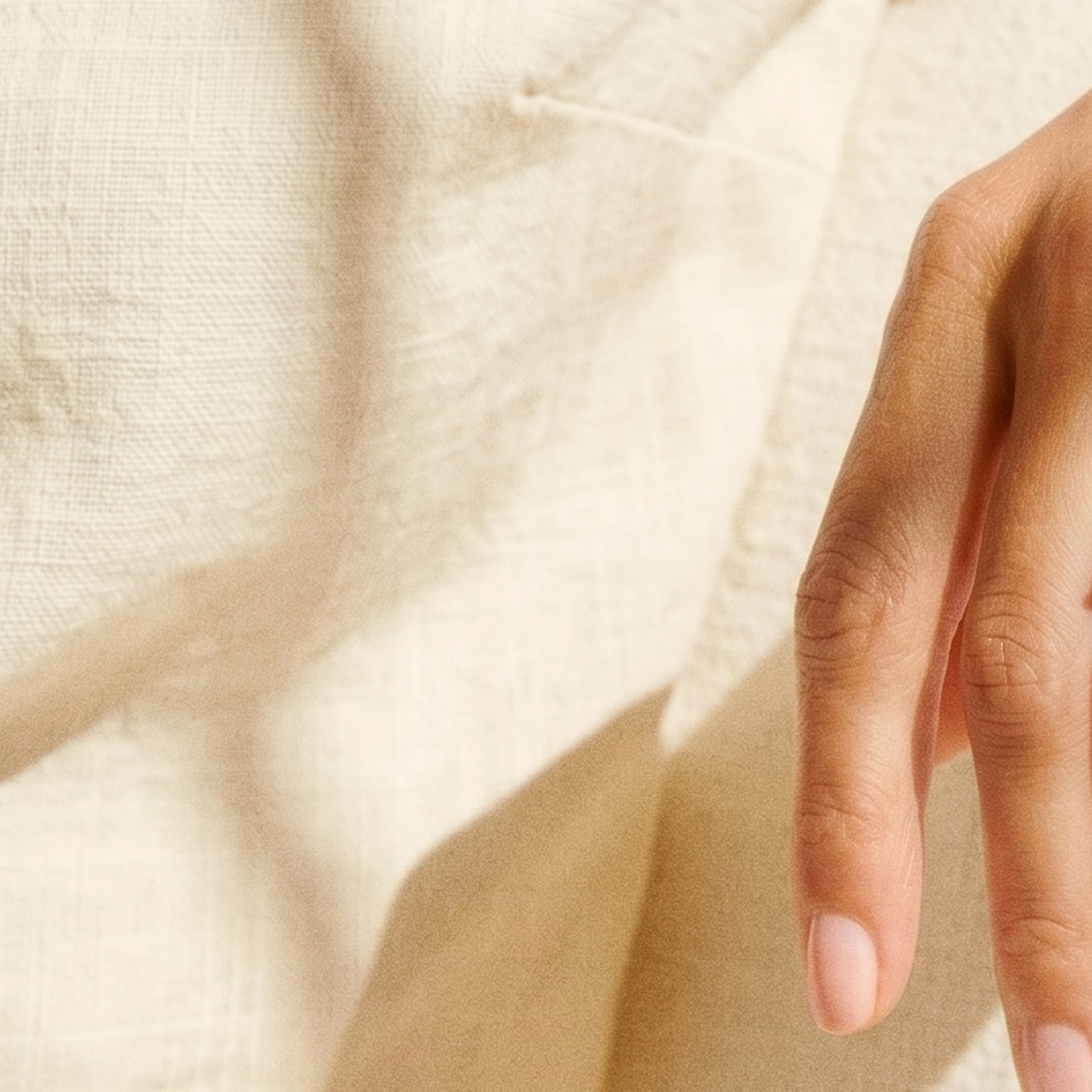
If you chose a ring set with a lab-grown diamond, you might wonder whether it needs any special treatment compared to one set with a mined diamond. It doesn't. A lab-grown diamond is chemically, physically, and optically identical to a natural one. It has the exact same hardness — 10 on the Mohs scale — the same resistance to scratching, and it's cleaned and cared for in exactly the same way. There's nothing new to learn here, just the tried-and-true basics.
A gold ring with a diamond is built for everyday wear and, with the right care, can stay with you for decades — ideally a lifetime. A little routine goes a long way toward keeping it as brilliant as the day you got it. In this guide, we'll walk you through how often to clean your ring and how to do it, what to watch for depending on your gold type, and which everyday habits are worth adopting.
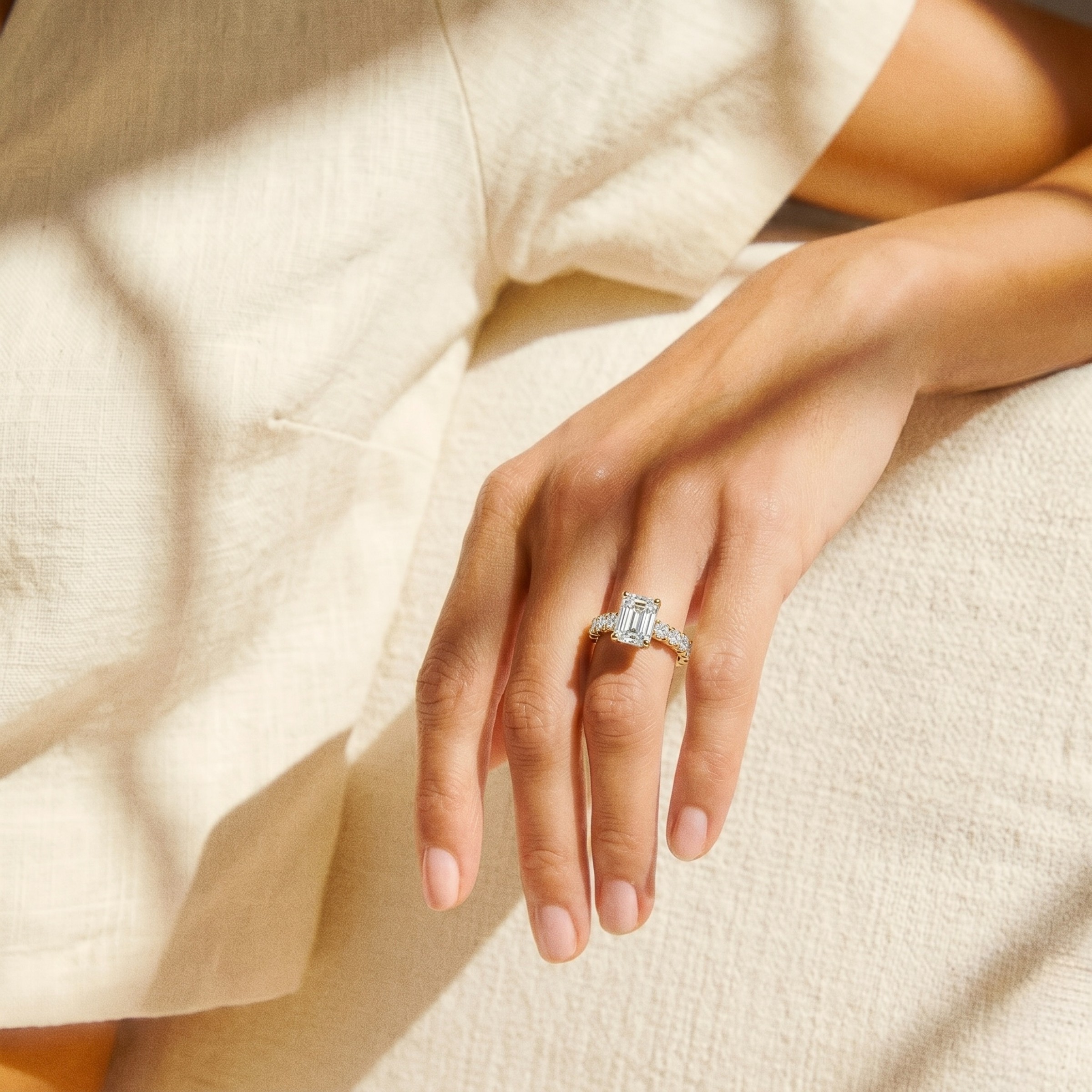
Gold Ring Care: How Often to Clean It
Good gold ring care doesn't have to be complicated — a quick weekly clean at home is really all it takes. Over the course of daily life, natural skin oils, lotion, and dust build up underneath the stone, which is exactly the spot that makes a diamond lose its sparkle fastest. It's also the easiest spot to keep clean once cleaning becomes a habit.
On top of your weekly routine, we recommend a professional cleaning every six months with your jeweler. Beyond a deeper clean than you can achieve at home, this is also when the setting and the prongs holding your stone in place get checked for wear, so any loose spots are caught early, well before they become a real problem.
What You'll Need:
- A mild, fragrance-free dish soap
- Warm (not hot) water
- A soft-bristled toothbrush, such as a baby toothbrush or a spare one
- A lint-free microfiber cloth
- A small bowl
- Prepare a mild soap solution: Add a few drops of mild dish soap to a bowl of warm water and stir gently.
- Let it soak: Submerge your ring for 20 to 40 minutes. This alone will loosen most of the everyday grime.
- Brush gently: Using the soft-bristled toothbrush, brush the ring with light, circular motions. Pay extra attention to the underside of the stone, where the most dirt collects.
- Rinse thoroughly: Plug the drain first, then rinse the ring under warm running water — that one step means a moment of butterfingers doesn't end with your ring disappearing down the sink.
- Dry it properly: Pat the ring dry with a lint-free microfiber cloth. Skip paper towels or tissue — they can leave micro-scratches on the gold over time.
What to Avoid
- Harsh chemicals: Bleach, chlorine (including pool water), Windex or other glass cleaners, and acetone-based products like nail polish remover can all attack gold and weaken a setting over time.
- Abrasive scrubbers: Baking soda and toothpaste might sound like gentle home remedies, but both are mildly abrasive and can leave fine scratches on the gold's surface.
- At-home ultrasonic cleaners: These devices sound convenient, but without a professional checking the setting first, the vibrations can shake a stone loose. This kind of deep clean is best left to your jeweler.
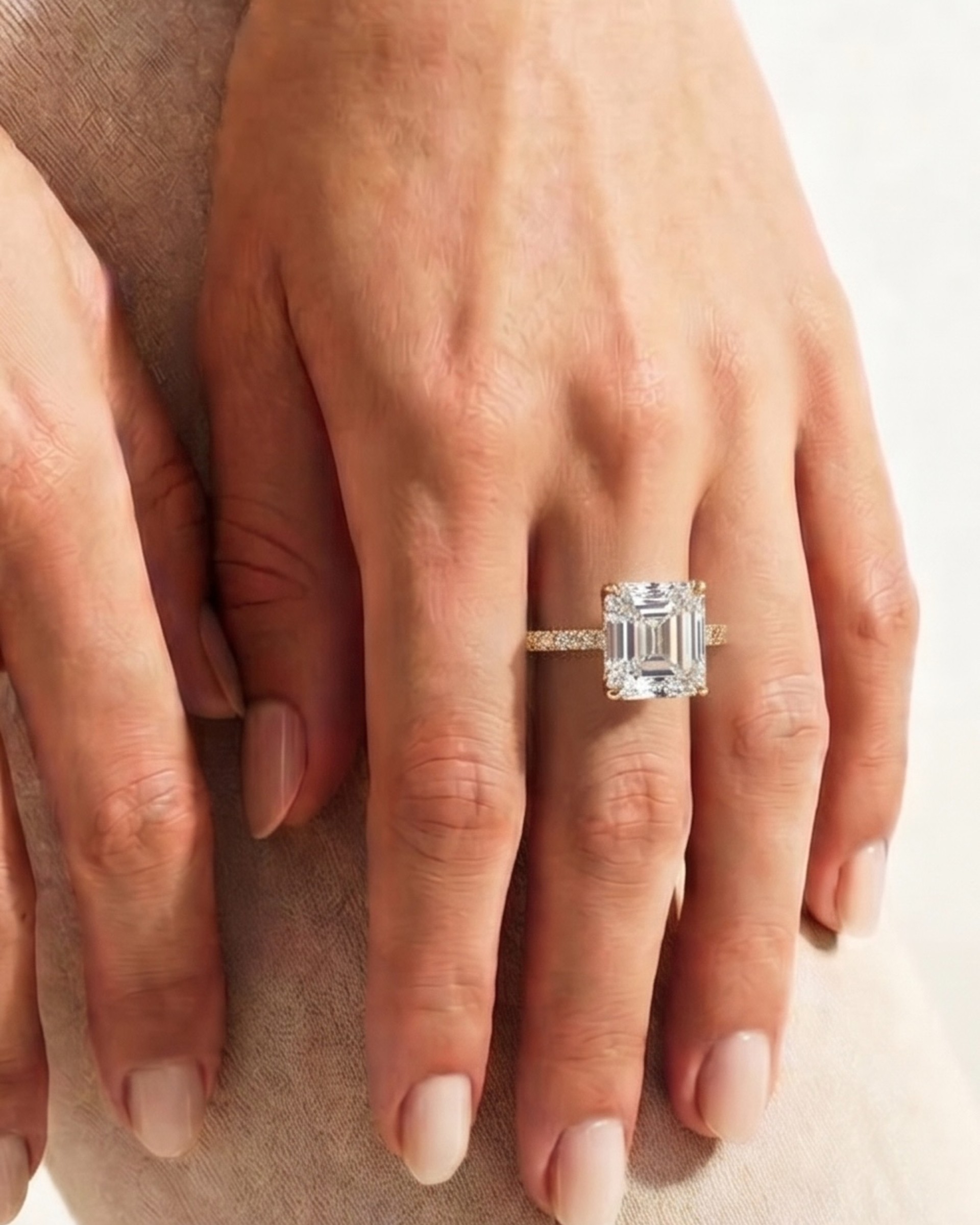
Care Notes by Gold Type
White gold: White gold gets its bright, silvery finish from a thin layer of rhodium plating. That layer wears thin over years of everyday wear, and you may notice a slightly warmer or yellow tint showing through. That's completely normal, not a flaw. A jeweler can replate it whenever you'd like, restoring that crisp white shine.
Yellow and rose gold: These alloys are softer than white gold, which means they're a bit more prone to fine surface scratches, especially with rougher day-to-day handling. Over time this gives the ring a warm, lived-in patina — if you'd rather keep that flawless shine, it's worth taking the ring off before anything particularly hands-on.
Everyday Habits Worth Building
- Take the ring off before applying lotion, sunscreen, or perfume — these products leave a residue on the stone and setting.
- Remove it before showering, bathing, or swimming, since chlorine and soap residue can affect both the gold and the setting.
- Slip it off before cleaning the house or doing dishes to avoid contact with household chemicals.
- Set it aside before exercising or doing manual work to protect it from impact and scratches.
- Store it separately from your other jewelry, ideally in a soft jewelry pouch or box compartment, so it doesn't rub against harder pieces or metal.
Frequently Asked Questions
Next article
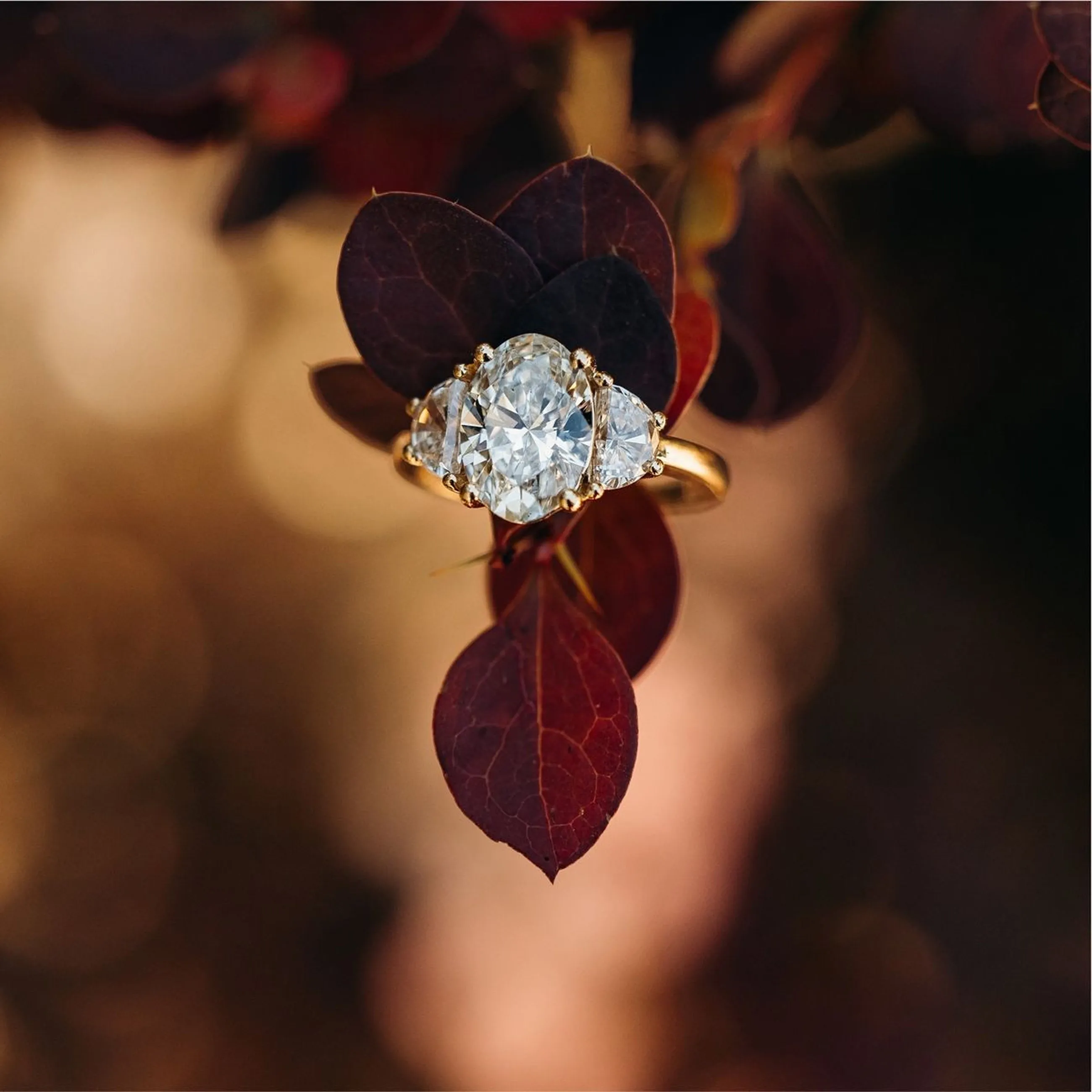
How to choose an engagement ring for an autumn proposal
Thanks to its romantic atmosphere and vibrant colors, autumn is one of the most popular seasons for a proposal. In this article, we'll guide you through which metals and stones best complement the season, what to keep in mind for an outdoor proposal, and most importantly—how to manage your timeline so the perfect ring arrives right on schedule.