A Comprehensive Guide to Lab-Grown Diamonds
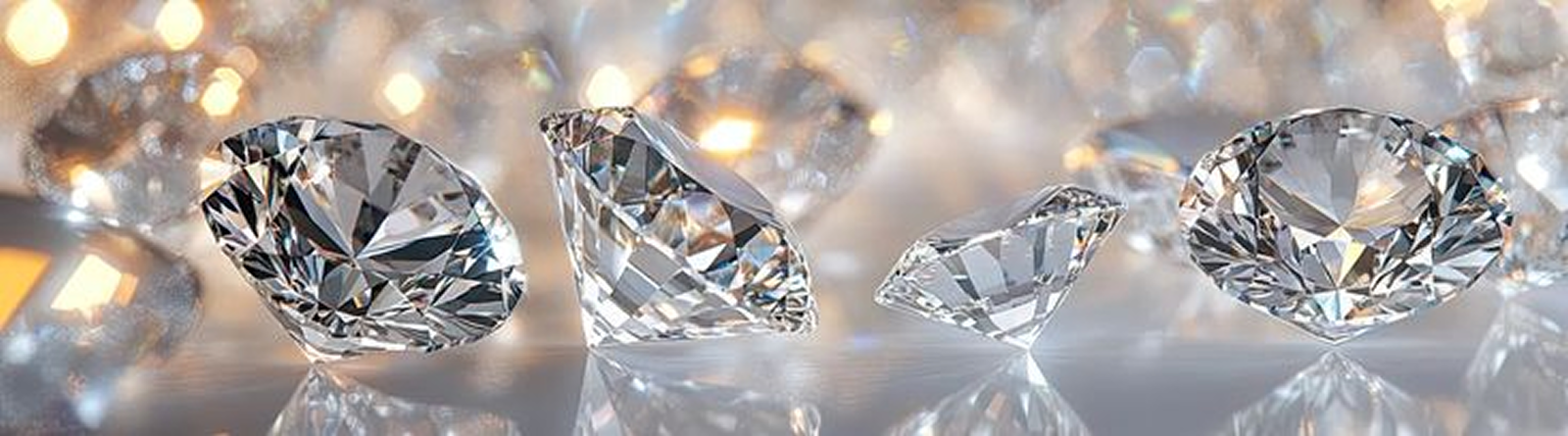
For centuries, diamonds were defined by the billions of years they spent beneath the Earth's crust. Today, a new era of fine jewelry has arrived. Lab-grown diamonds offer the exact same brilliance, fire, and physical integrity as mined diamonds, but they are born from cutting-edge technology rather than deep-earth mining.
Whether you are shopping for an engagement ring or a timeless gift, understanding the science and benefits of lab-grown diamonds is essential for the modern consumer.
What Is a Lab Grown Diamond?
A lab-grown diamond is a real diamond. It is not a "simulant" like Cubic Zirconia or Moissanite. Chemically, physically, and optically, lab diamonds are identical to natural diamonds. They possess the same crystal structure and the same legendary hardness (10 on the Mohs scale). The only fundamental difference is their origin. While natural diamonds form over billions of years in the Earth's mantle, lab diamonds are grown in controlled environments in a matter of weeks or months.
How They Are Created: Two Primary Methods
Every lab diamond begins with a "diamond seed"—a tiny fragment of carbon from a pre-existing diamond. From there, scientists use one of two sophisticated techniques:
- HPHT Lab Grown Diamonds: This method mimics the natural conditions under which diamonds form inside the Earth. A diamond seed is placed in a chamber and subjected to intense heat (over 2,000 degrees Celsius) and pressure (1.5 million pounds per square inch). The carbon atoms in the chamber bond with the seed, crystallizing into a diamond.
- CVD Lab Grown Diamonds: This method starts with a thin piece of diamond seed being placed in a vacuum chamber filled with a carbon-rich gas mixture (typically methane and hydrogen) that’s heated to break down the gas molecules. Carbon atoms settle onto the seed, building layer by layer until the diamond reaches its desired size. Some CVD diamonds undergo additional pressure and heat treatment after growth.
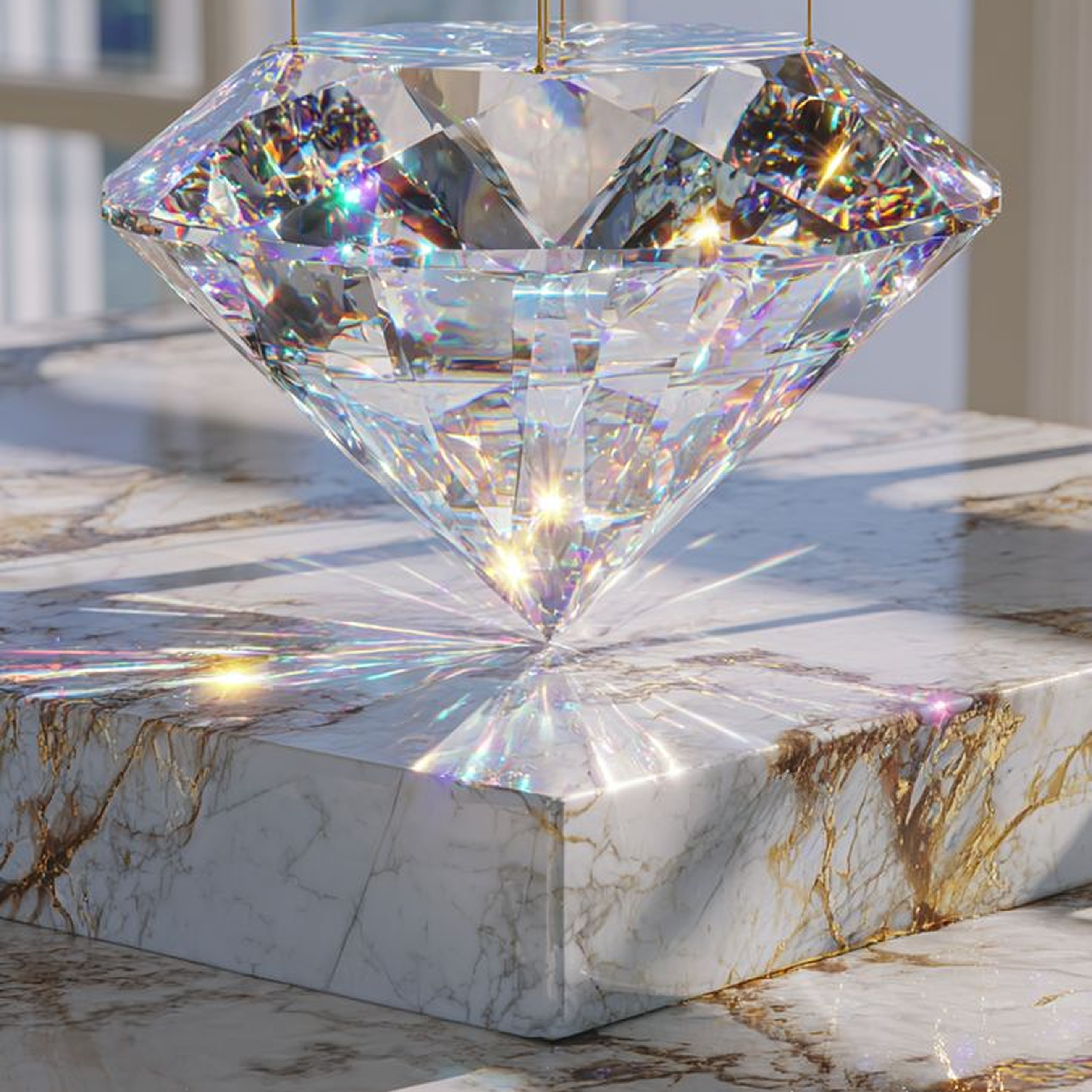
Both methods simulate part of the natural diamond-forming process, resulting in high-quality diamonds that are identical to mined diamonds in every way. After several days, a rough diamond is created, then cut, polished, and set in jewelry. Both methods yield real diamonds with no differences in durability or quality, differing only in growth patterns and production time.
With the naked eye, it’s impossible to differentiate between natural diamonds, HPHT lab diamonds, and CVD lab diamonds; only experts can identify subtle markers related to growth patterns.
Are Lab Grown Diamonds Real?
Yes, lab grown diamonds are as real as natural diamonds are. Because lab-grown diamonds are a relatively new mainstream choice, several misconceptions persist. Let’s set the record straight:
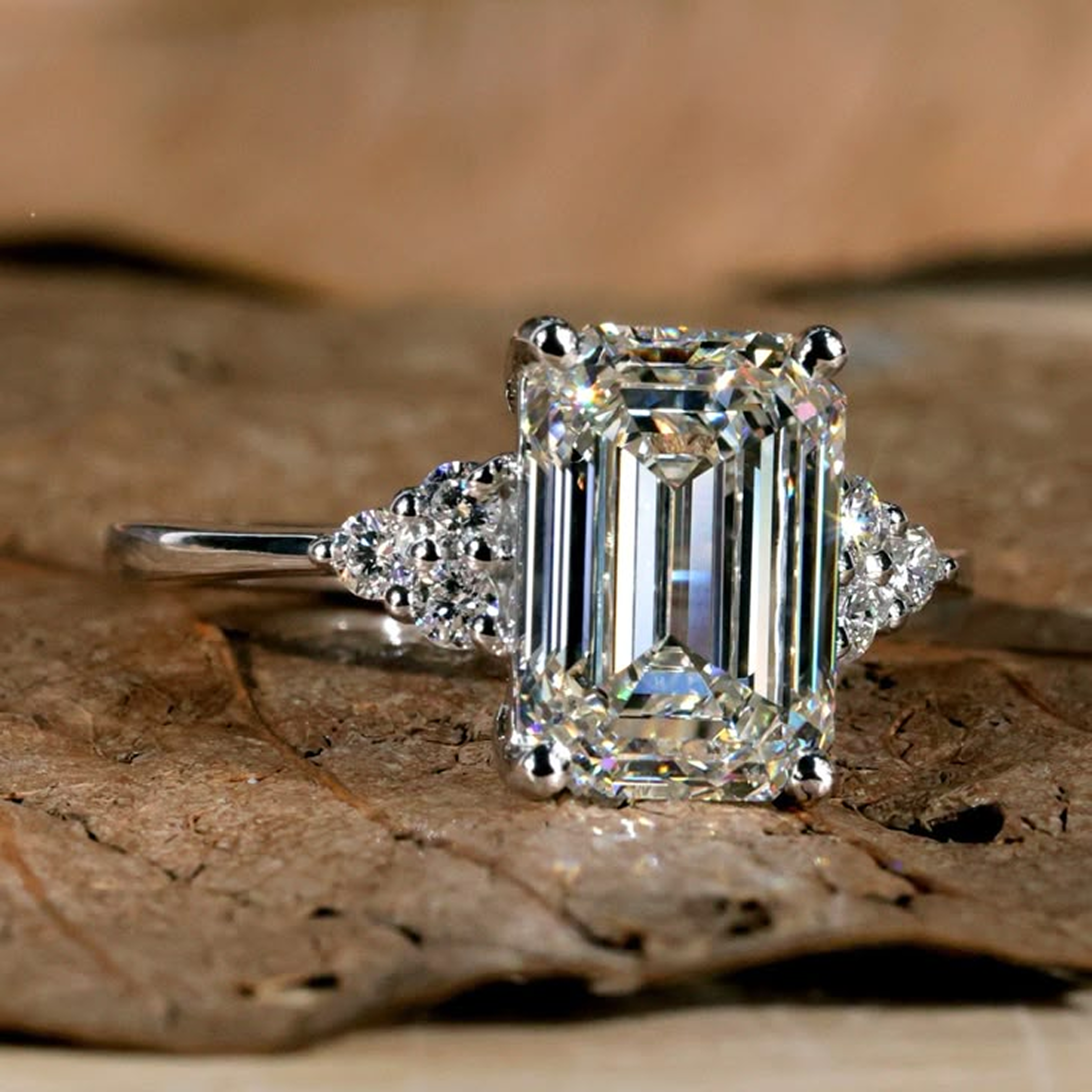
- Lab diamonds are "fake" diamonds: This is False. Lab diamonds are chemically, physically, and optically identical to natural diamonds. They are 100% carbon, just like mined diamonds.
- Lab diamonds look different: This is False. Even to an expert eye, they are indistinguishable from natural stones without specialized laboratory equipment.
- Lab diamonds are always flawless: This is False. Just like natural diamonds, lab-grown diamonds can have internal "inclusions" and varying color grades.
- Lab diamonds aren't durable: This is False. They are just as hard and scratch-resistant as any natural diamond.
The only real difference between lab and natural diamonds is their origin: lab diamonds are grown in laboratory settings, while natural diamonds form deep within the Earth. Otherwise, lab diamonds are identical to natural diamonds and 100% real.
Lab Grown Diamond vs. Natural
Here’s how a lab grown diamond and a natural diamond compare:
| Feature | Lab Grown Diamond | Natural Diamond |
|---|---|---|
| Durability | 10 on the Mohs scale | 10 on the Mohs scale |
| Brilliance | Refractive index ranges from 2.417 to 2.419 | Refractive index ranges from 2.417 to 2.419 |
| Color | Primarily colorless, but can also occur in many color options that are often more vivid than natural options | Primarily colorless, but can also occur in many color options including pink, blue, and yellow |
| Grading | Graded on cut, color, clarity, and carat | Graded on cut, color, clarity, and carat |
| Certification | Certified by reputable gemological institutions | Certified by reputable gemological institutions |
| Origin | Grown in controlled laboratories over several days to weeks, then cut and polished | Formed deep in Earth over billions of years, mined, cut, and polished |
| Rarity | Can be produced in increasing quantities as technology advances | Limited quantities based on geological conditions |
| Price | Lower cost due to availability | Higher cost due to mining and rarity |
Can You Tell the Difference Between Lab Grown and Natural Diamonds?
To the unaided eye, lab-grown and natural diamonds are identical. Even a seasoned professional cannot tell them apart just by looking at them in a jewelry setting. Detecting the difference requires a trained gemologist using high-powered magnification and specialized laboratory equipment to identify three subtle markers:
- Growth Structure: Natural diamonds typically develop in an octahedral (eight-sided) pattern. In contrast, lab-grown diamonds display unique growth structures specific to the HPHT or CVD process used to create them.
- Type of Inclusions: Nature and the lab leave different fingerprints. Natural diamonds often trap tiny earth minerals inside as they form, while lab-grown diamonds may show microscopic metallic traces or specific structural markers from the growth chamber.
- Microscopic Laser Inscriptions: For transparency and easy identification, most lab diamonds feature a tiny laser inscription on the "girdle" (the outer edge) that identifies them as laboratory-grown.
Do you think you can tell the difference between lab grown and natural diamonds just by looking? Test your eye with these six side-by-side diamond images and see how well you do.
Could you tell that the center diamond in the top row and the left diamond in the bottom row are natural diamonds? The other four diamonds are lab grown. Most people find it nearly impossible to distinguish between lab grown and natural diamonds with just their eyes. This similarity is part of what makes both options so appealing.
Benefits of Lab Grown Diamonds - Why Choose Lab-Grown?
The rise in popularity of lab-grown diamonds isn't just about the price tag; it's about the unique benefits they offer:
- Exceptional Value: You can typically purchase a significantly larger or higher-quality stone for the same budget required for a smaller natural diamond.
- Sustainable Practices: Lab diamonds eliminate the need for large-scale mining, resulting in a smaller carbon footprint and less environmental disruption.
- Vibrant Colors: Lab environments allow for the creation of rare "fancy" colors—like blue, pink, or yellow—at a fraction of the cost of their natural counterparts.
- Certified Quality: Just like mined diamonds, lab-grown stones are graded by leading gemological institutions like the GIA or IGI, ensuring your purchase is authentic and its quality is documented.
Lab Grown Diamond Certification
When it comes to quality and verification, lab-grown diamonds are held to the same rigorous standards as mined stones. They undergo an identical grading process conducted by world-renowned gemological authorities, such as the Gemological Institute of America (GIA) and the International Gemological Institute (IGI).
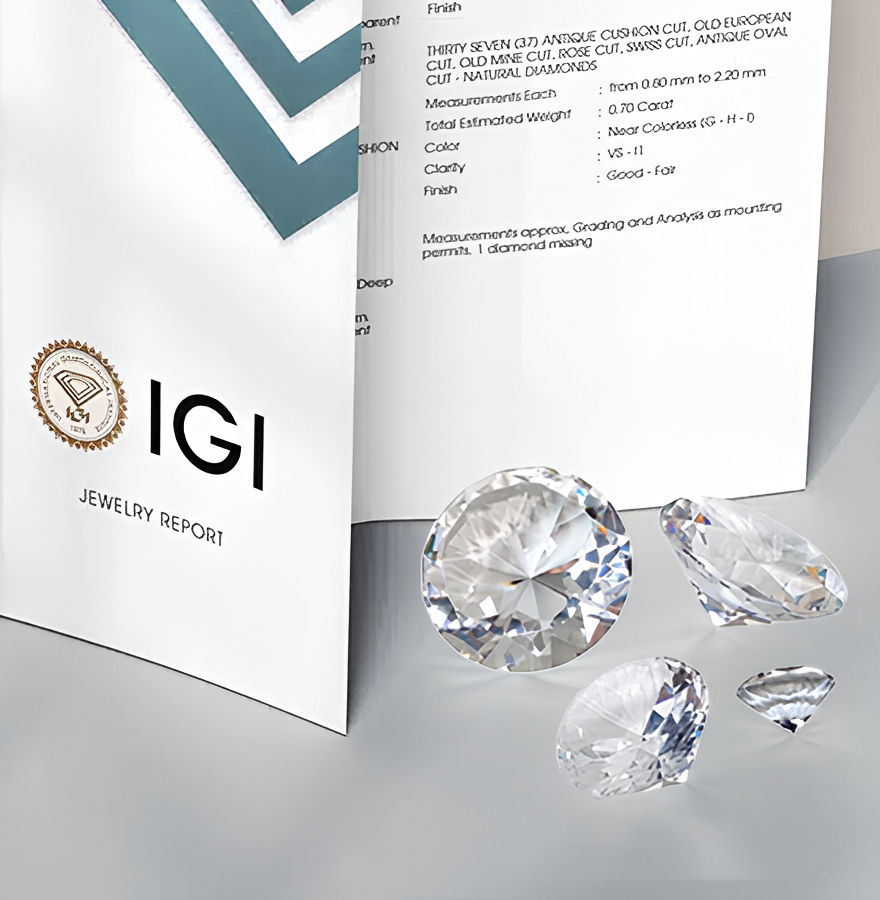
A certificate from these labs serves as an official "passport" for your diamond, providing:
- Authentication: Verification that the stone is a genuine diamond and a clear disclosure of its laboratory origin.
- The Four Cs: An expert evaluation of the diamond’s Cut, Color, Clarity, and Carat Weight using high-precision instruments.
- Technical Details: Comprehensive data regarding any specific treatments or unique physical characteristics.
By choosing a certified lab-grown diamond, you shop with complete confidence, knowing that their gem’s quality and authenticity have been independently verified by the industry's leading experts.
Which Is Right for You: Lab Grown or Natural Diamonds?
Neither lab grown nor natural diamond is inherently better. The choice between lab grown and natural diamonds ultimately depends on your personal values and priorities:
- Choose Lab-Grown if: You want the best "bang for your buck," prioritize modern sustainability, or want a larger, more brilliant stone for your specific budget.
- Choose Natural if: You are drawn to the romance of history, the rarity of a gem formed by nature over eons, and the tradition of an earth-mined stone.
Regardless of your choice, both options result in a stunning, durable gemstone that will last a lifetime.